

The Best Marketing Platform
Top 5 Online Digital Marketing Services
We have explored five of the top online digital marketing services. These include THRIVE INTERNET MARKETING AGENCY , WEBFX, SMARTSITES, Ignite Visibility, and of course, our team at First Pier. Each of these agencies offers a range of services tailored to help businesses succeed online, from SEO and PPC to social media, email marketing, and content creation.
THRIVE INTERNET MARKETING AGENCY stands out with their 360-degree approach to online marketing, and their focus on omnichannel personalization. WEBFX is unique for its impressive portfolio of over 450+ experts working in digital marketing. SMARTSITES combines web design, digital marketing, and PPC to deliver a comprehensive growth strategy.
Ignite Visibility prioritizes creating effective, custom strategies for each client, while our team at First Pier specializes in Shopify development and optimization, offering a comprehensive range of digital marketing services to help businesses build high-performance online stores.
Heading
What is Engine Optimization?
Search engine optimization (SEO) is a digital marketing strategy focused on improving a website’s visibility and ranking on search engines such as Google, Bing, and Yahoo. The goal of SEO is to increase organic (non-paid) traffic by making a website easier for search engines to understand and more valuable for users. When a website appears higher in search results, it is more likely to attract visitors who are actively searching for related information, products, or services.
SEO involves several key components. On-page SEO focuses on optimizing individual pages through keyword research, high-quality content, titles, meta descriptions, headings, internal links, and image optimization. This helps search engines understand what the page is about and match it to relevant search queries. Off-page SEO involves building authority and trust through backlinks from reputable websites, brand mentions, and social signals, which indicate credibility and relevance. Technical SEO ensures that a website functions properly, loads quickly, is mobile-friendly, secure, and easy for search engine crawlers to index.
Content plays a major role in SEO. Creating valuable, informative, and well-structured content helps answer users’ questions and encourages them to stay longer on a website. Search engines reward websites that provide a positive user experience, clear navigation, and relevant information. SEO also includes optimizing for local searches, voice search, and user intent, ensuring the right audience finds the content at the right time.
Heading
What is Pay-per-Click (PCC) Advertising?
Pay-per-click (PPC) is a digital advertising model in which advertisers pay a fee each time someone clicks on their online advertisement. Instead of earning traffic organically, PPC allows businesses to buy visits to their website, product page, or landing page through paid ads. PPC is commonly used on platforms such as Google Ads, Bing Ads, Facebook, Instagram, TikTok, and other social media and search engines.
PPC ads can appear in search engine results, social media feeds, websites, and apps. Search-based PPC targets users who are actively searching for specific keywords, making it highly effective for capturing high-intent traffic. Display and social PPC ads focus more on audience targeting based on interests, behaviors, demographics, and online activity. Advertisers bid on keywords or audience placements, and ad placement is determined by factors such as bid amount, ad relevance, and quality score.
One of the main advantages of PPC is its speed. Unlike search engine optimization, which takes time to show results, PPC can generate traffic and visibility almost immediately. It also offers precise targeting, allowing businesses to control who sees their ads, when they appear, and how much they spend. Budgets can be adjusted at any time, making PPC flexible for both small and large businesses.
Heading
What is Social Media MArketing?
Social media marketing is a digital marketing strategy that uses social media platforms to promote a brand, product, or service, build relationships with an audience, and drive engagement, traffic, and sales. It focuses on creating and sharing content that connects with users where they already spend a large amount of their time, such as Instagram, TikTok, Facebook, YouTube, X (Twitter), Pinterest, and LinkedIn.
Social media marketing includes a variety of content types, such as posts, images, videos, stories, reels, live streams, and paid advertisements. Brands use these formats to educate, entertain, inspire, and inform their audience rather than constantly selling. Consistent posting and engaging content help increase brand awareness, visibility, and credibility over time. Interactive elements like comments, polls, messages, and shares allow businesses to communicate directly with their audience and build a loyal community.
One of the biggest strengths of social media marketing is its ability to humanize a brand. Businesses can show behind-the-scenes content, customer testimonials, product demonstrations, and real-life experiences, making the brand more relatable and trustworthy. Influencer and affiliate marketing are also key components, as collaborations with creators help expand reach and influence purchasing decisions.
Heading
What is Email Marketing?
Email marketing is a digital marketing strategy that uses email to communicate directly with a targeted audience in order to build relationships, promote products or services, and drive engagement and sales. It is one of the most effective and cost-efficient marketing methods because it allows businesses to reach people who have already shown interest by subscribing or opting in.
Email marketing involves sending different types of emails depending on the goal. These can include newsletters that share updates, tips, or valuable content; promotional emails that highlight products, discounts, or special offers; welcome emails that introduce a brand to new subscribers; and automated email sequences that nurture leads over time. Educational emails help build trust by providing helpful information, while transactional emails confirm purchases, shipping details, or account activity.
A key advantage of email marketing is personalization. Emails can be tailored based on customer behavior, preferences, location, or past purchases, making messages more relevant and engaging. Segmentation allows businesses to send the right message to the right audience, improving open rates and conversions. Unlike social media platforms, email marketing gives businesses full control over their audience without relying on changing algorithms.
Heading
What are the Contents Marketing?
Content marketing is a strategic marketing approach focused on creating, publishing, and distributing valuable, relevant, and consistent content to attract, engage, and retain a clearly defined audience, with the ultimate goal of driving profitable customer actions. Rather than directly promoting a product or service, content marketing provides useful information, entertainment, or inspiration that builds trust and long-term relationships with consumers.
Content marketing includes many different types of content. Written content such as blog posts, articles, guides, eBooks, website copy, and product descriptions helps educate audiences and improve search engine visibility. Visual content like images, infographics, branded graphics, and AI-generated visuals captures attention and makes information easier to understand. Video content, including short-form videos for TikTok, Instagram Reels, and YouTube Shorts, as well as long-form videos like tutorials, product reviews, and live streams, is one of the most effective formats for engagement and conversions. Audio content such as podcasts and voice recordings allows brands to connect with audiences who prefer listening on the go.
Social media content plays a major role in content marketing. Posts, stories, reels, carousels, and live videos help brands communicate directly with their audience, encourage interaction, and build community. Email content, including newsletters, promotional emails, and automated email sequences, nurtures leads and keeps audiences informed and engaged over time. User-generated content, such as customer reviews, testimonials, photos, and videos, adds credibility and social proof, making brands more trustworthy.
Heading
What’s the diffrent between Influencer Marketing & Affiliate Marketing ?
Influencer Marketing
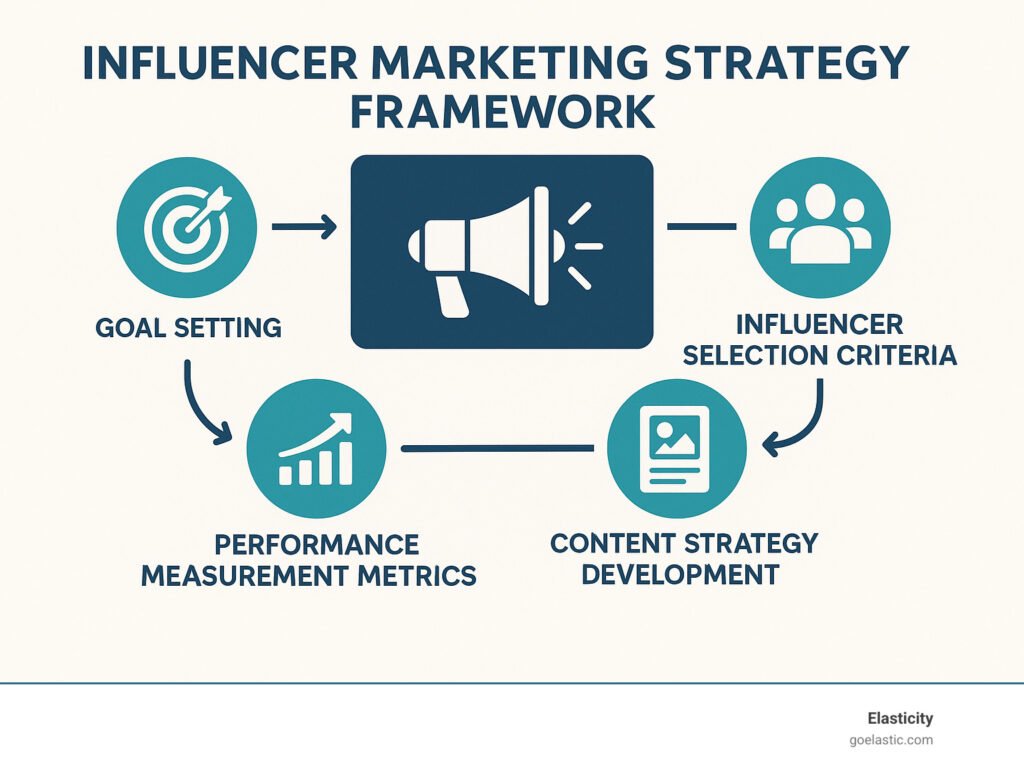
Influencer marketing focuses on brand awareness, trust, and visibility. A brand partners with an influencer who has an established audience on platforms like Instagram, TikTok, YouTube, or blogs. The influencer creates content—such as posts, videos, stories, or reviews—showcasing the brand’s product or service.
Influencers are usually paid upfront with a flat fee, free products, or sponsorships, regardless of how many sales are made. The goal is exposure, credibility, and engagement. Brands choose influencers based on their niche, audience size, and influence rather than direct sales performance. Influencer marketing is especially effective for launching new products, increasing brand recognition, and building trust through authentic recommendations.
Affiliate Marketing
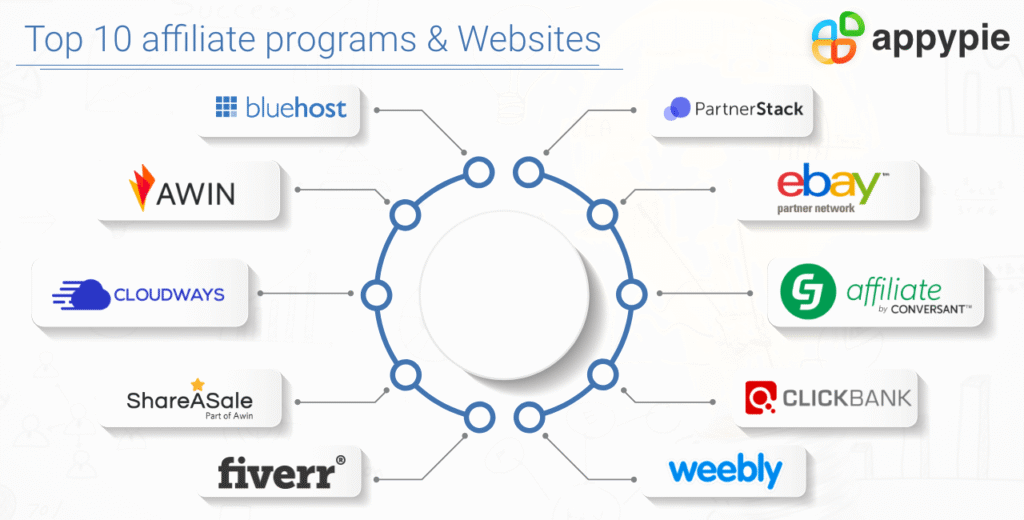
Affiliate marketing is performance-based. Affiliates promote a product or service using a unique tracking link or code. They only earn a commission when someone completes a specific action, such as making a purchase or signing up.
Affiliates can be bloggers, content creators, website owners, or social media users. Payment is based strictly on results, not content creation. This model is popular with Amazon Associates, TikTok Shop affiliates, and online courses because brands only pay for actual conversions. Affiliate marketing focuses more on sales and measurable return on investment than brand awareness.